


In the world of technology, Home Internet Providers play a crucial role in keeping us connected to the digital world. Understanding the options available is critical to finding the best fit for your needs. Each provider offers unique features and speeds, from fiber optics to cable and satellite connections. Choosing the right Home Internet Provider can significantly impact your online experience, whether for work, entertainment, or staying connected with loved ones. Let’s unravel the world of Home Internet Providers together, exploring the diverse options.
Home Internet Providers
Home internet providers offer essential services that connect households to the digital world. These providers use fiber optics, cable, DSL, and satellite technologies to deliver internet access. When choosing a home internet provider, it’s essential to consider factors like speed, reliability, and customer service. Popular providers often have different plans to suit varying needs, from basic browsing to high-speed gaming and streaming. Additionally, many providers bundle services, offering internet, TV, and phone packages at competitive rates.
Factors to Consider When Choosing a Home Internet Provider
Home internet providers differ in terms of connection types, speeds, reliability, and service availability, making it important to evaluate options carefully. Common considerations include the type of internet connection offered, such as fiber, cable, DSL, or satellite, along with speed requirements based on household usage. Pricing, data limits, customer support, and contract terms also play a role in selecting a suitable provider. Understanding these factors helps users choose a home internet service that aligns with their daily needs, whether for streaming, remote work, gaming, or general browsing.
Types of Home Internet Connections
Several types of internet connections are available from home internet providers, each with its characteristics. Here are the most common options:
DSL (Digital Subscriber Line)
· DSL provides internet service via current phone lines. It’s widely available and relatively affordable, making it a popular choice for many households. The speed of DSL can vary depending on how far you are from the provider’s central office.
Fiber Optic Internet
· Thin glass or plastic strands are used in fiber optic internet to send light signals that carry data. It’s the fastest type of home internet connection available, offering high speeds and reliable performance. However, fiber optic internet is unavailable in all areas and can be more expensive than other options.
Satellite Internet
· Satellite internet is a good option for rural or remote areas where other internet connections are unavailable. It uses satellites to beam internet service directly to your home. While it provides coverage in hard-to-reach places, it can be slower and more expensive than other types of internet.

Fixed Wireless Internet
· It’s suitable for rural areas where DSL, cable, and fiber optic connections are unavailable. The service requires a direct line of sight to the provider’s tower, and the performance can be affected by weather conditions and physical obstructions.
Factors to Consider When Choosing a Home Internet Provider
Several factors must be considered when selecting a home internet provider to ensure you get the best service.
Speed
Different activities require different speeds. For example, streaming HD videos or playing online games require higher speeds than browsing the web or checking emails. Make sure the provider offers plans with speeds that meet your needs.
Data Caps
Some home internet providers have data caps, limiting how much data you can use monthly. If you exceed the cap, you may face additional charges, or your internet speed may be reduced. If you use a lot of data for activities like streaming or gaming, look for a provider with high or unlimited data caps.
Price
Price is always an important consideration. Compare the costs of different plans and providers to find one that fits your budget. Remember that the cheapest option may not always be the best, especially if it doesn’t meet your speed or data needs.
Availability
Not all types of internet connections are available in all areas. Check which providers and types of internet connections are available in your location before deciding.
Customer Service
Good customer service is crucial, especially if you encounter issues with your internet connection. Look for providers with a reputation for excellent customer service and support.
Contract Terms
Some home internet providers require you to sign a contract, which can lock you into their service for a year or more. Read the contract terms carefully and understand any early termination fees before signing.
Popular Home Internet Providers
There are many home internet providers to choose from, each offering a variety of plans and services. Here are a few of the most popular providers in the United States:
Comcast Xfinity
Comcast Xfinity is one of the largest home internet providers in the U.S. They offer a range of plans with varying speeds and data caps. Xfinity is known for its high-speed cable internet and widespread availability.
AT&T
AT&T offers both DSL and fiber optic internet services. Their fiber optic plans provide some of the fastest speeds available but are limited to certain areas. AT&T is also known for its reliable customer service. Verizon Fios provides fiber optic internet with high speeds and reliable performance.
HughesNet
- HughesNet is a popular satellite internet provider, ideal for rural areas where other internet connections are unavailable. They offer decent speeds, but data caps can be a limitation.
- Tips for Getting the Most Out of Your Home Internet
- Once you’ve chosen a home internet provider, a few tips will help you get the most out of your service.
Optimize Your Wi-Fi
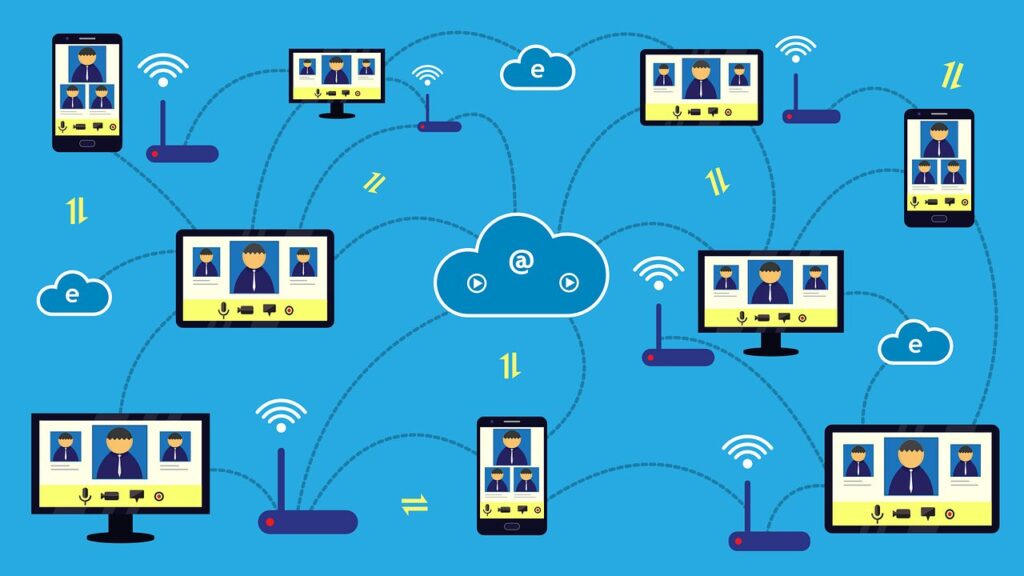
Ensure your Wi-Fi router is placed in a central location in your home for the best coverage. Protect your home network with a strong password to prevent unauthorized access. Update your router’s firmware often to guarantee access to the newest security features. Keep track of your internet usage to avoid exceeding data caps and incurring additional charges. Many providers offer tools or apps to help you monitor your usage.
Conclusion
Choosing the right home internet provider is essential for staying connected in today’s digital world. By understanding the different types of internet connections and considering important factors like speed, data caps, price, availability, customer service, and contract terms, you can find the best provider for your needs. With the right home internet provider, you’ll enjoy reliable, high-speed internet that keeps you connected to the world.
If you want to read an interesting article about it, explore our “Space Tech” category.
FAQs
A home internet provider is a company that offers internet services to residential customers.
Common types include DSL, cable, fiber optic, satellite, and fixed wireless.
Consider speed, data caps, price, availability, customer service, and contract terms.
Speed needs vary based on usage, such as streaming, gaming, remote work, or browsing. Households with multiple users typically require higher speeds.
Fiber internet generally offers faster speeds and lower latency, while cable internet is more widely available and still suitable for most households.