



In the vast landscape of technology, Wearable Technology emerges as a captivating realm that integrates gadgets into our daily routines like a dream. From smartwatches to fitness trackers, these devices redefine how we interact with digital advancements, merging style with functionality. This category delves deep into Wearable Technology, exploring the latest trends and innovations that adorn our bodies and enhance our lives. Discover how Wearable Technology is revolutionizing personal tech experiences, offering a glimpse into a future where connectivity and convenience are seamlessly woven into the fabric of our everyday activities.

Wearable Technology
Wearable technology refers to electronic devices you can wear on your body, like smartwatches, fitness trackers, and smart glasses. These gadgets help track your health, fitness, and daily activities, offering real-time data and notifications directly on your wrist or other wearable parts. For example, a smartwatch can monitor your heart rate, count your steps, and even show messages from your phone. Wearable technology makes it easier to stay connected and manage your health without constantly checking your smartphone.
How Wearable Technology Enhances Daily Life and Health Tracking
Wearable technology refers to electronic devices designed to be worn on the body, offering continuous interaction with digital systems throughout daily activities. These devices commonly track metrics such as physical activity, movement patterns, and basic health indicators, helping users stay more aware of their routines and wellness. Beyond fitness, wearable technology also supports communication, notifications, and data monitoring in a convenient and hands-free way. By combining portability with real-time data collection, wearables provide practical insights that support more informed lifestyle and health-related decisions.
The Evolution of Wearable Technology
Early Beginnings
The concept of wearable technology isn’t entirely new. Early examples include wristwatches and hearing aids, which served specific needs. However, the digital revolution has catapulted wearable technology into a new era where multifunctional devices are commonplace.
Modern Wearables
Today’s wearable technology includes many devices such as smartwatches, fitness trackers, smart glasses, and even bright clothing. These modern wearables have advanced sensors, processors, and connectivity options, making them powerful tools in our daily lives.
Types of Wearable Technology
Smartwatches
Smartwatches are perhaps the most popular form of wearable technology. They do more than tell time; they can track your fitness, monitor your heart rate, send and receive messages, and even make phone calls. Leading brands like Apple, Samsung, and Fitbit have set the standard for smartwatches, offering sleek designs and various features.
Fitness Trackers
Fitness trackers are designed to help you stay active and monitor your health. They can count your steps, track your sleep patterns, measure your heart rate, and even provide insights into your fitness progress. Devices like the Fitbit Charge and Garmin Vivosmart have become essential tools for fitness enthusiasts.
Smart Glasses
Smart glasses, like Google Glass and the Vuzix Blade, bring augmented reality (AR) to your field of vision. These devices overlay digital information onto the real world, providing hands-free access to data, navigation, and communication. While still in their early stages, smart glasses hold immense potential for various industries, including healthcare and logistics.
Benefits of Wearable Technology
Health Monitoring
One of the most significant benefits of wearable technology is its ability to monitor health in real-time. Devices like smartwatches and fitness trackers can track vital signs, detect irregularities, and alert users to potential health issues. This continuous monitoring can lead to early detection of problems and more proactive healthcare management.
Enhanced Connectivity
Wearable technology keeps you connected no matter where you are. Smartwatches and smart glasses can sync with your smartphone, ensuring you never miss an important notification. This seamless connectivity is especially beneficial for professionals who need to stay in touch while on the go.
Applications of Wearable Technology
Healthcare
The healthcare industry has embraced wearable technology for its potential to improve patient care. Continuous glucose monitors and wearable ECGs provide critical health data to patients and doctors. Wearable technology also supports telemedicine, allowing for remote monitoring and consultations.
Fitness and Sports
Athletes and fitness enthusiasts use wearable technology to optimize their training and performance. Fitness trackers and smartwatches provide detailed insights into workouts, helping users set and achieve goals. Professional sports teams use wearable devices to monitor players’ health and prevent injuries.
Entertainment
The entertainment industry is exploring wearable technology to create immersive experiences. Virtual reality (VR) headsets like the Oculus Rift and augmented reality (AR) devices like the Microsoft HoloLens offer new ways to enjoy games, movies, and interactive content.
Challenges and Concerns
Privacy and Security
As with any technology, wearable devices pose privacy and security concerns. These gadgets collect vast amounts of personal data, which can be vulnerable to hacking and misuse. Ensuring robust security measures and transparent data policies protects users’ information.
Battery Life
Battery life remains a challenge for wearable technology. While devices are becoming more power-efficient, users must charge them regularly. Innovations in battery technology and power management are essential to improve the usability of wearables.
The Future of Wearable Technology
Advances in Health Monitoring
The future of wearable technology looks promising, especially in health monitoring. Emerging devices will offer more accurate and comprehensive health data, enabling personalized healthcare. Innovations like non-invasive glucose monitors and wearable blood pressure cuffs are on the horizon, promising to revolutionize healthcare.
Integration with IoT
Wearable technology will increasingly integrate with the Internet of Things (IoT), creating a more connected ecosystem. Smart home devices, cars, and other gadgets will sync with wearables, offering seamless control and automation. This integration will enhance convenience and efficiency in daily life.
New Form Factors
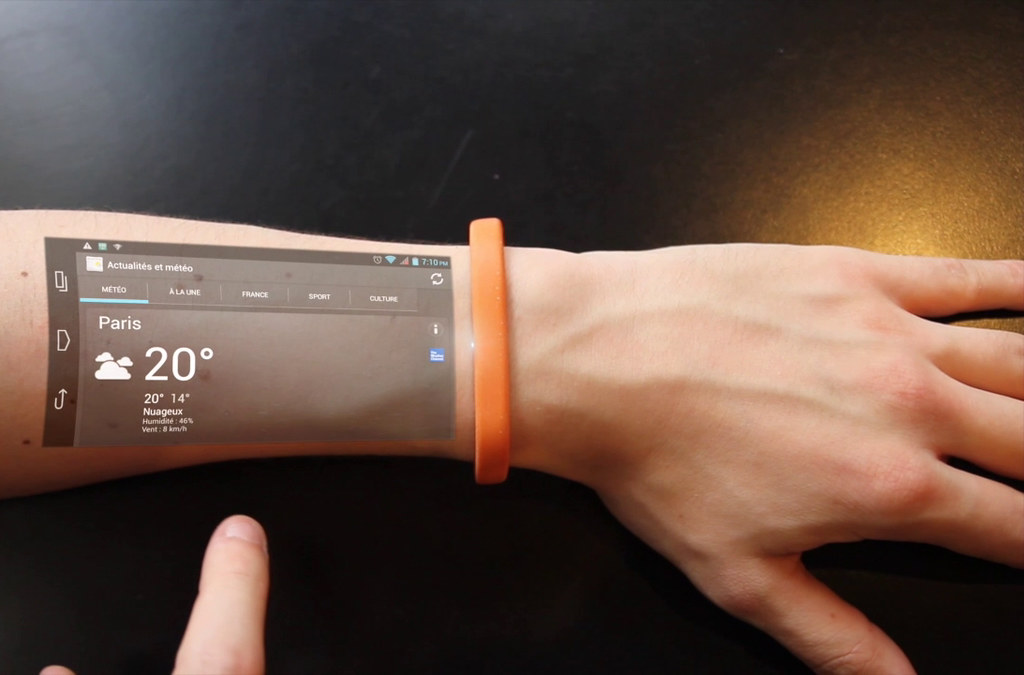
The form factors of wearable technology will continue to evolve. We expect more discreet and fashionable devices to blend seamlessly with our clothing and accessories. Bright jewelry, flexible displays, and even implantable devices could become mainstream, expanding the possibilities of wearables.
Conclusion
In conclusion, wearable technology has dramatically improved our daily lives by making health monitoring, convenience, and connectivity more accessible. Devices like smartwatches, fitness trackers, and smart glasses have become essential tools for many people, helping them stay connected and manage their health more effectively. As technology advances, wearable technology will become more integrated and valuable, offering even more innovative solutions to enhance our everyday routines. Despite some challenges like privacy concerns and battery life, the future of wearable technology looks promising and full of potential.
If you want to read an interesting article about it, explore our “Gadgets and Apps” category.
FAQs
Wearable technology refers to electronic devices that can be worn on the body.
Examples include smartwatches, fitness trackers, smart glasses, and bright clothing.
It tracks vital signs like heart rate, steps, and sleep patterns.
Wearable technology is used to track activity, monitor health data, receive notifications, and support everyday tasks through hands-free digital interaction.
Common wearable devices include smartwatches, fitness trackers, smart glasses, health monitors, and wearable sensors.




, creating a more connected ecosystem. Read More.)