


Introduction
When choosing a streaming device, the decision often boils down to Fire TV vs Roku. Both offer a wide range of features, making it challenging to pick the best one for your needs. Fire TV, from Amazon and Roku, is known for its user-friendly interface and is one of the most popular options. This comparison will explore the strengths and weaknesses of each device, covering aspects like performance, content availability, and overall value. Whether you’re a casual viewer or a streaming enthusiast, understanding the differences between Fire TV and Roku can help you make an informed choice.
Fire TV vs Roku: Key Differences in User Experience and Ecosystem
When comparing Fire TV and Roku, one of the most noticeable distinctions lies in how each platform approaches the user experience and content ecosystem. Fire TV tends to integrate deeply with its parent company’s services, offering a streamlined interface that highlights curated content and voice search features, which can be especially appealing for users already invested in that ecosystem. In contrast, Roku focuses on simplicity and neutrality, presenting a clean interface that prioritizes access to the widest range of streaming channels without promoting specific services. This difference influences navigation styles, content discovery, and how users engage with apps and search functions, making it essential for consumers to assess not just technical performance but also how each platform’s philosophy aligns with their individual viewing habits and preferences.
Fire TV vs Roku
The debate between Fire TV and Roku centers on which streaming device offers users the best features, content, and value. Fire TV, an Amazon product, boasts integration with Alexa, a robust selection of apps, and seamless access to Amazon Prime Video. On the other hand, Roku is celebrated for its intuitive interface, broad compatibility with various streaming services, and affordability. Both devices support high-definition streaming and provide a range of channels and apps, making them top contenders in the streaming market. Ultimately, the choice between Fire TV and Roku depends on individual preferences and the specific features that align with one’s viewing habits.
Device Variants and Pricing
Fire TV
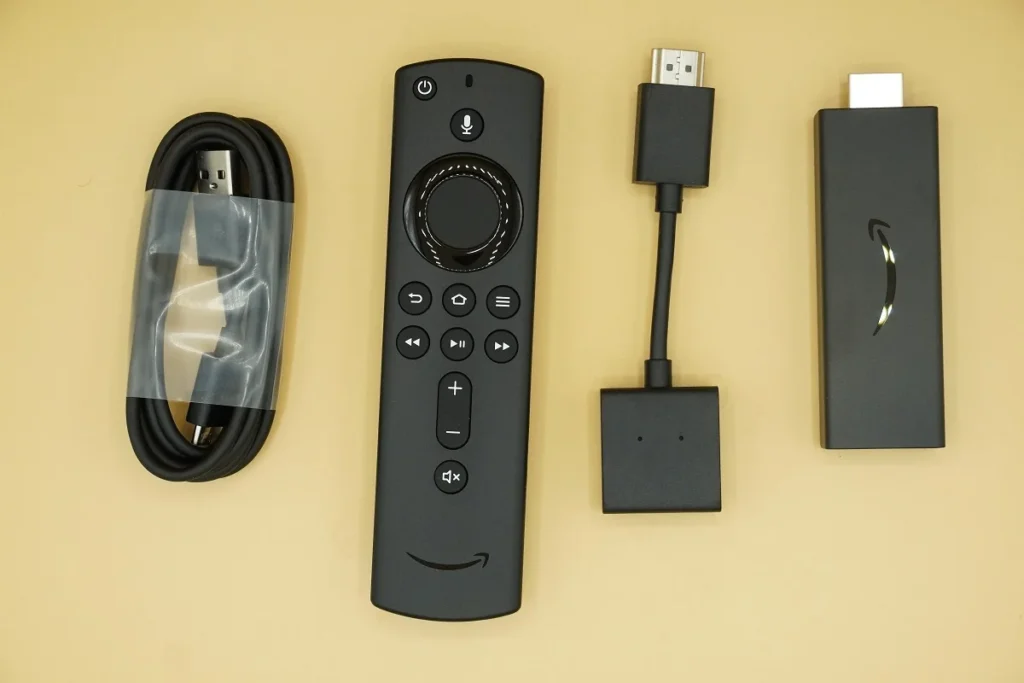
Fire TV offers several device variants to cater to different needs and budgets. The Fire TV Stick Lite is the most affordable option, providing basic streaming capabilities. The Fire TV Stick is a step up with additional features like Dolby Atmos support. For those who want 4K streaming, the Fire TV Stick 4K offers HDR and Dolby Vision. The Fire TV Cube combines Fire TV streaming with Echo smart speaker capabilities, including hands-free Alexa control. Prices for Fire TV devices range from around $30 for the Fire TV Stick Lite to $120 for the Fire TV Cube.
Roku
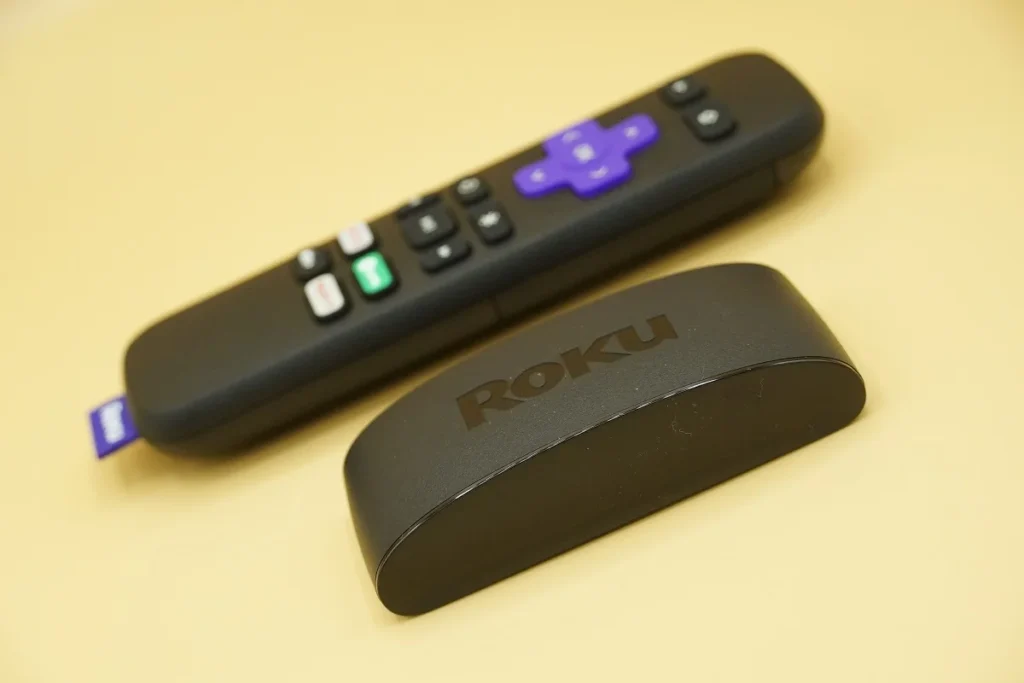
Roku also has a variety of devices to suit different needs and budgets. The Roku Express is the entry-level model, offering basic HD streaming. The Roku Streaming Stick+ adds 4K streaming and a longer wireless range. The Roku Ultra is the premium model, featuring 4K HDR streaming, Ethernet connectivity, and a remote with a headphone jack. Roku devices are priced from approximately $30 for the Roku Express to $100 for the Roku Ultra.
User Interface and Ease of Use
The user interface is a significant consideration when comparing Fire TV vs Roku. Fire TV’s interface is vibrant and feature-rich, but it heavily promotes Amazon content, which might be a drawback for some users. The Alexa integration is a strong point, allowing for voice search and control. Roku’s interface, on the other hand, is minimalistic and straightforward. It doesn’t push content from any particular provider, giving users a more balanced browsing experience. The simplicity of Roku’s interface makes it accessible to all users, including those who are not tech-savvy.
Content and Channel Availability
Fire TV and Roku offer various channels and apps, including all primary streaming services such as Netflix, Hulu, Disney+, and YouTube. However, Fire TV strongly emphasizes Amazon Prime Video and other Amazon services. Fire TV might offer a more seamless experience if you are an Amazon Prime member. Roku’s platform-agnostic approach ensures that no single service is prioritized, providing a more neutral content browsing experience. Additionally, Roku offers more free channels and ad-supported content than Fire TV.
Voice Control and Smart Home Integration
Voice control is a critical feature when comparing Fire TV and Roku. Fire TV’s integration with Alexa allows for extensive voice control capabilities. You can search for content, control playback, and manage smart home devices using voice commands. Roku also offers voice control but is not as advanced as Fire TV’s Alexa integration. Roku’s voice remote allows for basic commands and search functionality, but it does not have the same level of smart home integration as Fire TV.
Performance and Speed
Performance is another crucial factor when comparing Fire TV vs Roku. Both devices offer fast and reliable streaming, but there are some differences. Fire TV devices, mainly the Fire TV Stick 4K and Fire TV Cube, are known for their quick response times and smooth performance. Roku devices perform well, but some users have reported occasional lag on lower-end models like the Roku Express. The Roku Ultra is comparable to the higher-end Fire TV models in terms of the best performance.
Additional Features
When it comes to additional features, Fire TV offers some unique capabilities. The Fire TV Cube, for instance, combines streaming with smart speaker functionality, allowing for hands-free voice control. Fire TV devices also support screen mirroring from compatible devices and offer access to Amazon’s services ecosystem. Roku’s additional features include a remote with a headphone jack for private listening, a feature not available on Fire TV devices. Roku also has a mobile app for private listening and voice search capabilities.

Conclusion
In the Fire TV vs Roku debate, the best streaming device for you depends on your specific needs and preferences. Fire TV is an excellent choice if you deeply integrate into the Amazon ecosystem and value advanced voice control and smart home integration. Its range of devices caters to different budgets and needs, with the Fire TV Cube offering the most features. On the other hand, Roku is ideal for users who prefer a straightforward, user-friendly interface and a more neutral approach to content.
It offers a variety of devices that are easy to use and provide access to a wide range of channels and apps without promoting any particular service. Ultimately, Fire TV and Roku are top-tier streaming devices that will enhance your viewing experience, so you can’t go wrong with either choice.
Apart from that if you want to know about “Writing Tablets: A Technological Exploration & Innovations” then please visit our “Gadgets and Apps” Category.
FAQs
Both have their strengths; Fire TV is great for Alexa users, while Roku offers a more neutral platform.
Both platforms offer thousands of apps, but Roku generally supports a wider range of channels, including niche streaming services. Fire TV focuses heavily on mainstream apps and ecosystem-integrated options.
Roku is often praised for its simple, neutral interface, making it very beginner-friendly. Fire TV offers more advanced features but has a busier interface due to deeper integration with its ecosystem.
Roku is often preferred by cord-cutters due to its neutrality and wide channel support. Fire TV is a great choice for users who want strong integration with specific streaming services.
Generally, Roku offers more budget-friendly entry-level models, while Fire TV provides competitive pricing but places more emphasis on ecosystem features.