

Introduction
Writing tablets are modern marvels in the realm of technology, revolutionizing how we interact with digital content. These sleek devices, resembling traditional notebooks yet infused with cutting-edge features, have become indispensable tools for creativity and productivity. With a writing tablet, users can effortlessly jot down notes, sketch ideas, and annotate documents with the precision of a pen on paper, all on a digital canvas. Whether used by artists, students, or professionals, these devices bridge the gap between analog and digital worlds, offering a seamless and intuitive experience reshaping how we approach writing and content creation in the modern age.
Writing Tablets
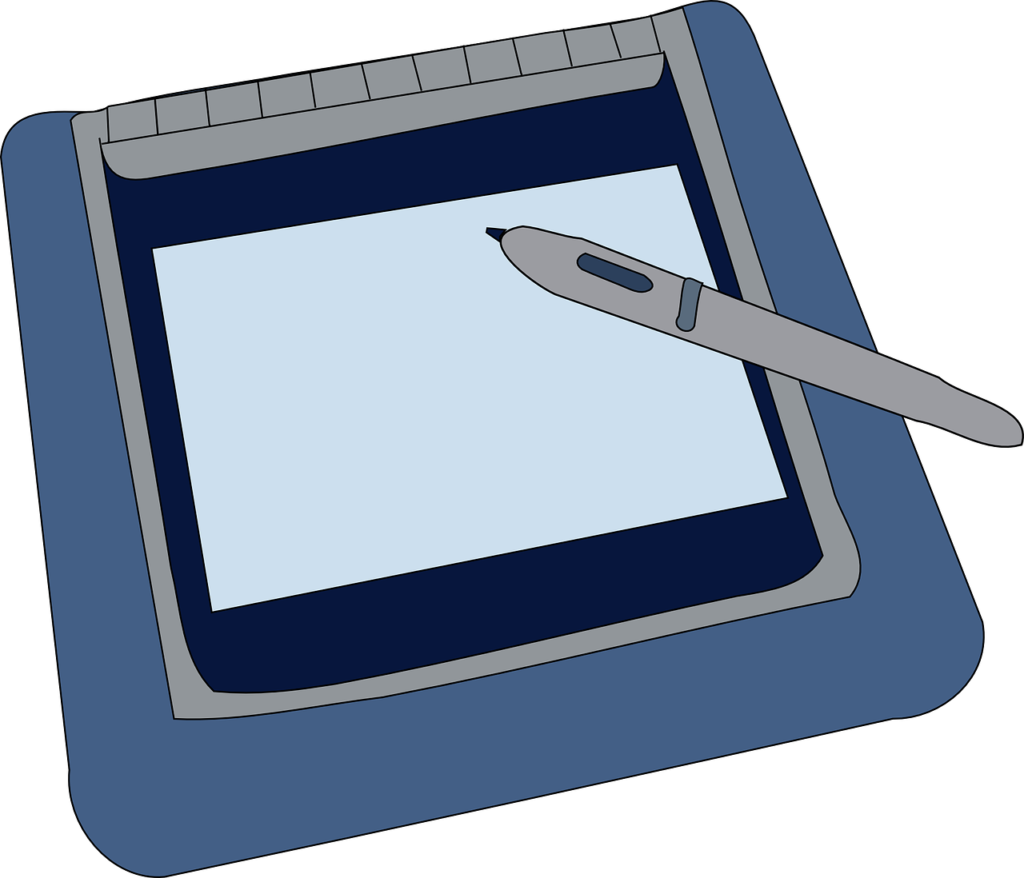
Writing tablets have transformed how we engage with technology, blending traditional writing tools and modern digital convenience. These sleek gadgets allow users to sketch, write, and annotate with the fluidity of pen and paper, yet on a digital interface. From note-taking to artistic creations, writing tablets cater to diverse users, from students to professionals seeking a seamless writing experience. With pressure sensitivity and palm rejection features, these devices provide a natural and intuitive writing environment, bridging the gap between analog and digital mediums to enhance productivity and unleash creativity in the tech-savvy world.
The Origins of Writing Tablets
Writing tablets have a rich history dating back to ancient civilizations when clay and wax tablets were used as early information recording forms. Fast-forward to the modern era, and we witness a technological renaissance with the advent of digital writing tablets.
· These devices have evolved significantly, incorporating advanced features such as pressure sensitivity, tilt recognition, and wireless connectivity to offer users a truly immersive writing experience.
Unleashing Creativity
One of the critical strengths of writing tablets lies in their ability to unleash creativity in users, particularly artists and designers. With the precise stylus and responsive touch screens, artists can sketch, draw, and paint with unparalleled accuracy and control. Integrating features like customizable brushes, layers, and color palettes further enhances the creative process, allowing artists to digitally bring their visions to life. Whether creating intricate illustrations or exploring new design concepts, writing tablets empower artists to push the boundaries of their creativity.
How Writing Tablets Improve Digital Note-Taking and Creativity
Writing tablets are designed to replicate the feel of handwriting while offering the convenience of digital tools. These devices allow users to write, draw, and sketch directly on a responsive surface using a stylus, making them suitable for note-taking, brainstorming, and creative work. Writing tablets help organize ideas efficiently by enabling easy edits, storage, and sharing of handwritten content. By combining traditional writing habits with modern technology, they support productivity and creativity across educational, professional, and personal use cases.
Enhancing Productivity
Beyond artistic endeavors, writing tablets serve as invaluable tools for enhancing productivity in various professional settings. From taking notes during meetings to annotating documents and brainstorming ideas, these devices streamline the workflow of students, professionals, and entrepreneurs alike.
- The seamless transition between handwritten notes and digital formats simplifies information management and facilitates collaboration among team members.
- Additionally, writing tablets’ portability and long battery life make them ideal companions for on-the-go productivity, ensuring that users can stay organized and efficient wherever they are.
The Digital Classroom
Writing tablets have revolutionized how students learn and interact with course materials in education. Students can access many resources by replacing traditional notebooks and textbooks with digital equivalents. The ability to annotate readings, solve problems, and collaborate with peers in real time enhances the learning experience and encourages active participation in classroom discussions. Furthermore, educators can provide personalized feedback and assessments through digital platforms, fostering a more interactive and engaging learning environment for students of all ages.
Accessibility and Inclusivity: Writing Tablets for All Users
One significant advantage of writing tablets is their accessibility for users with diverse needs and abilities. Their intuitive design and customizable settings make them user-friendly for individuals with physical disabilities or special requirements.
- Features like voice dictation, text-to-speech capabilities, and adjustable screen settings cater to a wide range of users, ensuring everyone can benefit from the transformative power of writing tablets.
- By promoting inclusivity and accommodating different learning styles, these devices empower users to communicate, create, and collaborate in previously impossible ways.
The Future of Writing Tablets
As technology advances rapidly, writing tablets will undergo further innovations and enhancements in the coming years. From improved stylus technology to AI-powered features that enhance writing recognition and prediction, the future of writing tablets holds exciting possibilities for users worldwide. Integrations with cloud storage, virtual reality, and augmented reality are likely to redefine how we interact with digital content, offering a more immersive and personalized experience for users across various industries.
- Holographic Displays: Integration of holographic technology for immersive writing and drawing experiences.
- Biometric Security: Implementation of biometric authentication methods for secure access to content.
- Eco-friendly Materials: Development of writing tablets using sustainable and biodegradable materials.
- AI-driven Content Creation: AI assists with predictive text, intelligent formatting, and content suggestions.
- 3D Modeling Capabilities: Incorporation of 3D modeling features for advanced design and prototyping.
- Enhanced Connectivity: Seamless integration with IoT devices for streamlined workflows and connectivity.
- Gesture Recognition: Incorporation of gesture-based controls for intuitive navigation and interaction.
- Collaborative Features: Real-time collaboration tools for group projects and remote work environments.
- Health and Wellness Monitoring: Integrating features to promote ergonomic writing habits and monitor user wellness.
- Personalized Learning: AI algorithms for customized learning experiences tailored to individual user needs.
Conclusion
In conclusion, writing tablets are versatile bridges between the traditional act of writing and the digital realm, offering users a seamless blend of creativity and productivity. With features like precise styluses and responsive touch screens, these devices empower artists, students, and professionals to express themselves and work efficiently. Writing tablets continue to evolve as technology advances, promising even more innovative features and enhancing user experiences. By embracing the digital revolution through writing tablets, individuals can easily navigate a dynamic world, fostering creativity, productivity, and connectivity in both personal and professional spheres.
Apart from that if you want to know about “Wearable Technology” then please visit our “Gadgets and Apps” Category.
FAQs
A writing tablet is a digital device that allows users to write, draw, and create digitally.
Writing tablets are designed explicitly for handwriting and drawing tasks, often featuring stylus input and advanced pressure sensitivity.
Writing tablets are excellent tools for artists and designers due to their precise stylus control and drawing capabilities.
Writing tablets are used for digital note-taking, drawing, sketching, brainstorming, and handwriting tasks that benefit from a pen-and-paper feel.
Writing tablets can reduce the need for paper notebooks, but many users see them as a digital alternative rather than a complete replacement.